
Opens in a new tab

Moving To Bend Blog

A Guide to Choosing High Schools in Bend

A multi-ethnic group of high school students stand in front of a row of lockers in a Bend, Oregon high school

Selecting the right high school in Bend, Oregon, is a critical decision that can significantly impact your student’s academic and personal development. Bend, known for its scenic beauty and vibrant community, offers a variety of high schools, each with unique characteristics and strengths. This comprehensive guide aims to provide parents and students with the essential considerations for making an informed choice.

Understanding Your Options

Bend boasts a mix of public, private, and charter high schools, each offering distinct educational philosophies and environments. Public high schools, such as Bend High School and Mountain View High School, typically offer a broad curriculum with a range of extracurricular activities. Private schools, like Cascades Academy, may provide smaller class sizes and specialized programs. Charter schools, such as Realms High School, often focus on specific educational approaches or themes. Following are 11 factors to consider when making a decision about which high school for your student to attend.

1. Academic Programs and Curriculum

The cornerstone of a good high school education is a strong academic program. Investigate the curriculum offered by each school, including Advanced Placement (AP) or International Baccalaureate (IB) courses, electives, and special education programs. Consider how these align with the student’s academic interests and goals. For instance, a student interested in science and technology might look for schools with robust STEM programs.

2. Extracurricular Activities and Sports

Extracurricular activities play a crucial role in a student’s development. Schools in Bend offer a range of options, from sports teams to music, arts, and various clubs. These activities can help students develop new skills, foster a sense of community, and provide opportunities for leadership. If your child has specific interests or talents, look for schools that support and nurture these areas.

3. School Culture and Environment

The school’s culture and environment can significantly influence a student’s experience. Consider the school’s values, disciplinary policies, and the overall atmosphere. Visiting the school, attending open houses, and talking to current students and parents can provide valuable insights into the school’s culture.

4. Support Services

Examine the support services available, including counseling, college preparation, and tutoring. These services can be crucial for academic success and emotional well-being. Schools with strong support systems can help students navigate academic challenges and plan for the future.

5. Location and Logistics

The school’s location is an essential practical consideration. Proximity to home, transportation options, and commute times can affect daily life and participation in school activities. Consider how the location aligns with your family’s routine and needs.

6. Specialized Programs and Unique Offerings

Some high schools offer specialized programs or unique offerings that might appeal to certain students. For instance, a school might have a renowned arts program, a strong focus on environmental science, or offer unique international exchange opportunities. These can provide enriching experiences and enhance a student’s educational journey.

7. Performance Metrics and Reputation

Research each school’s performance metrics, such as graduation rates, test scores, and college admission rates. While these should not be the sole criteria for decision-making, they can provide a sense of the school’s academic rigor and effectiveness.

8. Community Involvement and Partnerships

Schools with strong community ties and partnerships can offer additional opportunities for learning and development. This could include internships, community service projects, or collaborations with local businesses and organizations.

9. Cost and Financial Considerations

For private schools, cost is a significant factor. Consider tuition fees, scholarships, and financial aid options. Assess how these fit into your family’s budget and financial planning.

10. Future Planning and Resources

High schools that provide robust resources for college and career planning can be invaluable. Look into each school’s resources for college counseling, career guidance, and alumni networks.

11. Personalized Education and Student Well-being

Finally, consider how each school addresses individual student needs and promotes well-being. A school that values personalized education and caters to diverse learning styles can make a significant difference in a student’s high school experience.

Making the Decision

Looking up at a group of Bend, Oregon high school students in graduation gowns and caps and holding their diplomas.

Once you’ve gathered information and weighed the factors, involve your student in the final decision-making process. Their comfort and enthusiasm for the school are crucial for a successful high school experience.

Choosing the right high school in Bend, Oregon, involves balancing academic needs, extracurricular interests, and practical considerations. By thoroughly researching and considering each factor, families can find a school that not only meets academic expectations but also supports the student’s overall growth and development. Remember, the best choice is one that aligns with your student’s unique needs, aspirations, and personality.

5 Magical Winter Hikes in Bend, Oregon: A Journey Through Nature’s Winter Wonderland

Welcome to the Bend Relocation Services Team, your ultimate squad for settling into the heart of Oregon’s outdoor paradise! Whether you’re dreaming of relocating or snagging your dream home, we’ve got your back every step of the way. From finding the perfect neighborhood to prepping for epic winter escapades, we’re here to make your transition smoother than fresh powder on a bluebird day. Let’s turn your Bend dreams into reality – let’s chat!

The enchanting world of Central Oregon where the winter landscape transforms into a magical realm, beckoning adventurers and nature enthusiasts alike. Among the most mesmerizing experiences are the 5 magical winter hikes in Bend, Oregon, each offering a unique blend of snowy trails, breathtaking scenery, and tranquil wilderness. Whether you’re a seasoned hiker or just looking for a picturesque winter escape, these trails promise unforgettable adventures.

Bend, Oregon, known for its stunning high desert and mountain landscapes and outdoor activities, becomes particularly mesmerizing in winter months. Hiking in this season offers a serene and almost mystical experience, with snow-covered paths, crisp winter air, and the peaceful silence of nature. It’s not just about the physical activity; it’s about connecting with nature, rejuvenating your soul, and experiencing the wonder of winter in one of the most beautiful places on earth.

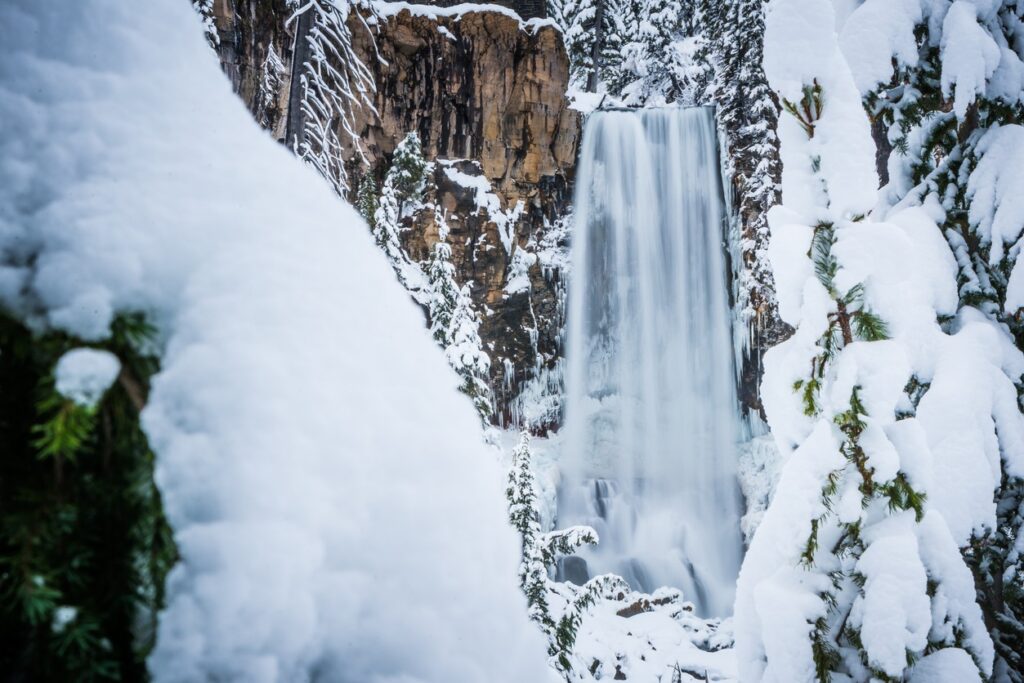
Bend's Tumalo Falls in winter is magical and makes for a great winter hike.

1. Discover the Charm of Tumalo Falls: A Winter Hiking Gem

Embarking on the Tumalo Falls hike during winter is like stepping into a frosty fairy tale. The trail, covered in a blanket of snow, leads to the spectacular Tumalo Falls. This frozen cascade, set against a backdrop of pristine forests and rugged terrain, offers a breathtaking view and a sense of tranquility. The hike is moderately challenging with elevation gain, making it perfect for those who seek both adventure and natural beauty.

As you tread along the Tumalo Falls trail, the crunch of snow underfoot and the crisp, clean air create an invigorating experience. Wildlife sightings are not uncommon, adding an element of surprise and delight to your hike. The trail’s accessibility makes it a favorite winter hike among locals and visitors.

2. Enthralling Journey to the Three Sisters Wilderness

The Three Sisters Wilderness stands as a majestic destination for winter hikers. The snow-capped peaks of the North, Middle, and South Sisters present a stunning panorama that is both awe-inspiring and humbling. This area, known for its diverse terrain, offers trails that range from easy walks to more strenuous hikes, catering to all skill levels.

In the heart of winter, the Three Sisters Wilderness transforms into a serene, snowy paradise. The silence of the snow-covered landscape, broken only by the sound of your footsteps and the occasional call of a winter bird, creates a sense of peace and introspection. This hike is not just a physical journey but a spiritual one, offering a chance to disconnect from the world and immerse yourself in the beauty of nature.

3. Exploring the Mystic Beauty of Sparks Lake

Sparks Lake, with its frozen expanse and surrounding snow-covered forests, is a winter hiker’s dream. The lake, known for its crystal-clear waters in summer, becomes a serene, icy wonderland in winter. The trail around Sparks Lake is relatively easy, making it an excellent choice for families or those looking for a less strenuous hike.

The beauty of Sparks Lake in winter lies in its simplicity and tranquility. As you walk around the lake, the reflection of the surrounding mountains on the ice creates a mesmerizing effect. Wildlife, especially bird species that thrive in winter, can be seen along the trail, adding to the magical experience of this hike.

4. The Magic of Smith Rock State Park in Winter

Smith Rock State Park, famous for its towering rock formations and river valleys, offers a unique winter hiking experience. The park’s diverse landscape, comprising sheer cliffs, winding rivers, and rugged terrain, becomes even more dramatic with a dusting of snow. The trails here cater to all levels, from easy walks along the river to challenging hikes up the rock faces.

Winter at Smith Rock State Park is a time of quiet beauty and introspection. The snow-covered rocks and frozen river create a landscape that is both stark and stunning. The park’s trails offer breathtaking views and a sense of solitude, making it a perfect destination for those seeking a peaceful winter hike.

5. A Snowy Paradise Along the Deschutes River Trail

In winter, the Deschutes River Trail in Bend, Oregon, transforms into a serene, snowy paradise. This peaceful trail meanders alongside the gently flowing Deschutes River, now bordered by ice and framed by snow-draped trees. The hushed environment is perfect for reflective walks or invigorating snowshoeing adventures. As sunlight sparkles on the snow, creating a dazzling display, hikers are treated to the tranquil beauty of the frozen landscape. The contrast of the dark river against the pristine white snow offers a stunning visual experience, making the Deschutes River Trail a must-visit for those seeking a winter escape into nature’s embrace.

Tips for Safe and Enjoyable Winter Hiking in Bend

A woman and her dog take a snowy winter hike in Bend, Oregon.

Winter hiking in Bend, Oregon, requires preparation and caution to ensure a safe and enjoyable experience. First, always check the weather and trail conditions before setting out. Winter weather can be unpredictable, and trails may be icy or snow-covered. It’s essential to wear appropriate clothing, including waterproof and insulated layers, and to bring necessary gear like trekking poles and crampons.

Second, it’s crucial to stay on marked trails and be aware of your surroundings. Icy conditions can make trails more challenging to navigate, and it’s easy to lose your way. Bring a map or GPS, and always hike with a buddy. Lastly, remember to respect the environment and leave no trace. Bend’s natural beauty is a treasure that should be preserved for future generations.

The Best Time to Experience Bend’s Winter Hikes

Timing is crucial for the best winter hiking experience in Bend. Generally, the prime time for winter hiking is from late December to early March, when the snow is abundant, and the landscape is at its most magical. However, this can vary depending on the year’s weather patterns.

It’s essential to be flexible with your plans and keep an eye on the weather forecasts. Early mornings are often the best time to start your hike, as the snow is usually firmer, and the trails are less crowded. Additionally, witnessing the sunrise over the snow-covered landscape is an unforgettable experience that adds to the magic of winter hiking in Bend.

Preparing for Your Winter Hike: Essential Gear and Tips

A group of friends on a snowy winter hike in Bend, Oregon enjoy a cup of hot cocoa.

Proper preparation is key to a safe and enjoyable winter hike. Essential gear includes waterproof hiking boots, warm clothing layers, gloves, a hat, and sunglasses. Additionally, consider carrying trekking poles for stability and traction devices for your boots, especially if the trails are icy.

It’s also important to stay hydrated and bring enough food for your hike. Winter conditions can be more demanding on your body, so it’s essential to have enough energy and water. Lastly, inform someone of your hiking plans and expected return time. Safety should always be your top priority when embarking on a winter hike in Bend.

Here is a list of essential gear for winter hiking in Bend, Oregon:

  1. Insulated, Waterproof Boots: A good pair of boots is crucial for winter hiking. They should be waterproof to keep your feet dry and insulated to protect against the cold. Look for boots with a sturdy grip to handle icy conditions.
  2. Layered Clothing: Dress in layers to manage body temperature. Start with a moisture-wicking base layer, add an insulating mid-layer (like fleece or down), and top it off with a waterproof and windproof outer layer.
  3. Wool or Synthetic Socks: Avoid cotton as it retains moisture. Wool or synthetic socks will keep your feet warm and dry.
  4. Gaiters: Gaiters are worn over the boots and lower pants legs to keep snow, mud, and debris out.
  5. Insulated Gloves or Mittens: Protect your hands from the cold with insulated, waterproof gloves or mittens.
  6. Beanie or Headband: A large amount of body heat is lost through the head, so an insulated beanie or headband is essential.
  7. Sunglasses or Goggles: The snow reflects sunlight, which can be harsh on the eyes. Sunglasses or goggles with UV protection are necessary.
  8. Backpack: A sturdy backpack is needed to carry your gear, food, and emergency supplies.
  9. Water and Snacks: Cold weather increases the body’s energy needs, so bring high-energy snacks. Also, carry water in an insulated bottle to prevent freezing.
  10. Map and Compass/GPS: Winter conditions can alter the landscape, making trails harder to identify. A trail map and compass or a GPS device are essential for navigation.
  11. First Aid Kit: Always carry a first aid kit for emergencies.
  12. Headlamp/Flashlight: With shorter daylight hours, a headlamp or flashlight is important for safety.
  13. Emergency Shelter: A lightweight bivy sack or emergency space blanket can be a lifesaver in case of unexpected situations.
  14. Ice Axe and Crampons: For more challenging trails or icy conditions, an ice axe and crampons can provide additional safety and traction.
  15. Trekking Poles: Poles with snow baskets provide stability and balance in snowy and icy conditions.
  16. Sunscreen and Lip Balm: The sun can be intense, even in winter. Protect your skin and lips from sunburn and chapping.
  17. Whistle: Carry a whistle for emergency signaling.

Each item plays a vital role in ensuring a safe and enjoyable winter hiking experience in the beautiful but demanding winter terrain of Bend, Oregon. Always check the weather forecast and trail conditions before heading out, and inform someone about your hiking plan and expected return time.

The Unspoken Beauty of Bend’s Winter Nights: Stargazing Opportunities

One often overlooked aspect of winter hiking in Bend is the opportunity for stargazing. The clear winter nights, away from city lights, offer a spectacular view of the stars and constellations. Trails like Tumalo Falls and Sparks Lake provide perfect spots for night-time hikes and stargazing.

Always remember to carry a flashlight or headlamp and be extra cautious when hiking at night. The experience of walking under the starlit sky, with the peacefulness of the night and the breathtaking celestial display, adds a magical dimension to your winter hiking adventure in Bend.

Frequently Asked Questions About Winter Hiking

1. What are the best winter hikes in Bend for beginners? For beginners, the Sparks Lake and Tumalo Falls trails are excellent choices. These hikes offer relatively easy terrain and stunning scenery, making them perfect for those new to winter hiking. Remember to dress warmly, carry the right gear, and start with shorter distances to get used to hiking in winter conditions.

2. How can I ensure my safety while winter hiking in Bend? Safety during winter hiking involves preparation and awareness. Always check weather and trail conditions, wear appropriate clothing and gear, stay on marked trails, and hike with a companion. Carrying a map, GPS, and a basic first aid kit is also advisable. Be mindful of your limits and the environment around you.

3. Are there guided winter hikes available in Bend, Oregon? Yes, there are guided winter hikes available in Bend. These guided tours provide an excellent opportunity for those unfamiliar with the area or winter hiking. Guides are knowledgeable about the trails, weather conditions, and safety precautions, making your hike both enjoyable and safe.

4. What wildlife might I see on my winter hike in Bend? Winter hikes in Bend offer the chance to see a variety of wildlife, including deer, elk, and various bird species. Remember to keep a safe distance from wildlife and avoid disturbing their natural habitat.

Raising the Bar: Empowering Educators for Academic Excellence

The significance of educators lies in their ability to contribute to the development of our transforming society. Educators are burdened with numerous responsibilities, and it is essential that we offer them our support and assistance in order for them to excel in their profession. This makes students better and helps a country to become bigger. In this study, we will see how giving teachers more control can help improve students’ grades.

Professional Development as a Cornerstone:

Professional development is the cornerstone of empowering educators. It’s very important for teachers to get better at what they do and learn new things. Nowadays, educators must acquire knowledge about modern technology and updated teaching methods. Ongoing learning supports teachers in enhancing their instructional skills, staying updated on new technology, and improving classroom management.

Investing in good training for teachers, both in person and online, makes sure they have the skills and knowledge they need to do well in their jobs. Workshops, meetings, and working together with others can help teachers share their best ideas and improve together. This creates a strong community of learning and growing.

Harnessing Technology for Enhanced Learning:

Modern education now includes technology as an essential component. By using technology, teachers can make interesting and interactive lessons that work for all kinds of learners. Technology allows us to use online platforms, educational apps, and virtual reality to connect with people and make things more personal.

Giving teachers training in technology tools helps them become better teachers and also helps students learn important digital skills for the future. Also, technology helps educators make decisions using data. This helps them see how students are doing and give them the best instruction for their needs, so they can learn more.

Fostering a Growth Mindset:

A growth mindset is an important tool for teachers. Teachers can help students to always try to do better and bounce back from hard times. This can assist students in overcoming their fear of challenging tasks and viewing mistakes as opportunities for growth. This fresh perspective on learning enhances students’ academic performance and fosters a desire for knowledge and innovation.

It can be beneficial for students in school when teachers are supported by teaching programs that foster their own learning and professional development. When teachers demonstrate a commitment to continual learning and development, students’ attitudes towards learning also improve. This makes them more motivated and successful in school.

Cultivating Inclusivity and Diversity:

Supporting teachers means making a school where everyone feels welcome and valued. Educators are instrumental in assisting students to comprehend and embrace individuals with varying perspectives. Training programs should educate individuals on diverse cultures, promoting kindness and inclusivity in the classroom environment.

Educators must be able to effectively collaborate with students and understand various cultural perspectives in a diverse classroom. This involves learning about various cultures, adapting our education to meet the needs of each student’s learning style, and making sure every student feels appreciated and included in the community.

Nurturing Social-Emotional Learning:

Doing well academically involves more than just obtaining high scores and performing well on assessments. Teachers use SEL( Social-Emotional Learning ) to instruct students in important life skills, including recognizing emotions, building relationships, and communicating effectively. When teachers focus on social and emotional learning, they help make a good and supportive atmosphere for learning.

Training programs that help teachers include emotions and social skills in their lessons help them support their students’ feelings and relationships. This helps create a good environment for learning, where students feel safe and are more interested in their studies.

Advocating for Educator Well-being:

The happiness and well-being of educators play a significant role in their effectiveness as teachers, which is often underestimated. Supporting educators involves acknowledging and addressing their challenges, such as fatigue, stress, and overwhelming workloads. Providing assistance, direction, and resources for self-care can support teachers in maintaining their health and staying motivated.

Conclusion: Transformative Impact of Empowered Educators:

In conclusion, achieving academic success depends on teachers being committed to helping students learn. Teachers are very important for shaping the minds of students and passing on knowledge and creativity. We make education better by helping teachers learn more, use technology, think positively, include everyone, care about students’ feelings, and support their health.

The influence of teachers who feel confident and capable goes beyond just teaching in a classroom. It is important to students, diverse and inclusive societies, and the progress of nations. This promise is not just about helping right now, but also about making a commitment to a future where doing well in school will show the way to new ideas, fair opportunities, and making society better.

In education, teachers are like people who make a tapestry. If we give them the right tools and support, we can help students learn and make society better. The call to empower educators is a call to strengthen the base of academic excellence, making sure it lasts and keeps improving in knowledge and wisdom.

The Significance of Selecting Appropriate Weather Wear

Choosing the right clothing for varying weather conditions is essential for comfort, safety, and enjoyment outdoors. 

Photo by Toomas Tartes on Unsplash

Appropriate attire can transform an experience from miserable to pleasant, and in extreme conditions, it can be lifesaving. 

This section focuses on the importance of such choices, specifically highlighting rain jackets as indispensable gear for anyone venturing into wet or unpredictable climates.

Rain Jackets: Your First Line of Defense

In the realm of outdoor apparel, rain jackets hold a special place as the first line of defense against the elements. 

These garments are not just a shield against downpours but also a testament to the blend of technology and design in modern clothing. 

This section introduces the critical role of rain jackets, illuminating their functionality, technology, and the importance of choosing the right one for your needs. 

Whether braving a sudden shower or preparing for a day in the damp wilderness, understanding the nuances of rain jackets can transform your experience from enduring the elements to embracing them with confidence and comfort.

Understanding Rain Jackets

Rain jackets serve as a sophisticated blend of functionality and technology. 

They offer waterproofing, breathability, and durability, coming in various types suited for different weather conditions and activities. 

The distinction between waterproof and water-resistant jackets is crucial; the former provides complete protection against rain, while the latter is suitable for light drizzles. 

Breathability is vital for comfort, especially during physical activities, as it prevents moisture buildup inside the jacket. 

The material and construction of the jacket determine its durability and resistance to wear and tear.

Features to Look For

When choosing a rain jacket, several features should be considered.

An adjustable hood offers better face protection, while fully sealed seams and waterproof zippers enhance the jacket’s effectiveness against moisture. 

Ventilation, such as underarm zips, increases airflow, preventing overheating. Additionally, the functionality is often enhanced by the inclusion of adequate and well-placed pockets.

Tailoring to Your Needs

The choice of a rain jacket should be based on its intended use. 

Hikers and outdoor enthusiasts should look for lightweight, packable jackets with good breathability. 

For urban use, where style may be as important as functionality, jackets with a sleek design and adequate protection are preferable. 

In extreme weather conditions, robust waterproofing, insulation, and enhanced durability are key features to look for.

Navigating the World of Outdoor Footwear: A Guide to Choosing the Right Shoes

Choosing the right outdoor footwear is as essential as selecting the appropriate outerwear. 

Shoes designed for outdoor activities not only provide comfort but also ensure safety and enhance performance. 

Whether trekking rugged trails or navigating city streets, the right shoes can make a significant difference. 

This section explores the different aspects of outdoor footwear, emphasizing the importance of making an informed choice based on activity, terrain, and personal needs.

Trekking Boots: Designed for the Trails

Trekking boots are designed to provide support and protection in rugged terrains. 

They are typically characterized by sturdy construction, ankle support, and aggressive tread patterns for grip. 

When selecting trekking boots, consider the boot’s weight, flexibility, and waterproof features

Heavier boots offer more durability and support for challenging terrains, while lighter ones are suitable for less demanding trails. 

Waterproofing is a crucial feature for maintaining comfort in wet conditions.

Trail Running Shoes: For Agility and Speed

Trail running shoes are a hybrid between traditional running shoes and hiking boots, offering a balance of lightness, agility, and protection. 

They are designed with enhanced grip, durable soles, and additional toe protection to tackle uneven and rough trails. 

When choosing trail running shoes, prioritize fit, cushioning, and the shoe’s ability to provide stability on varied surfaces. 

The right pair can significantly improve your running experience on trails, providing comfort and reducing the risk of injuries.

Casual Outdoor Footwear: Versatility and Style

Casual outdoor footwear is designed for everyday use, offering comfort and style without compromising on functionality. 

These shoes often combine elements of performance gear with a more urban aesthetic. Key features to consider include comfort, durability, and weather resistance. 

They are ideal for those who need versatile shoes that can transition from city pavements to light outdoor activities, providing a practical solution for day-to-day wear.

Mastering Layering: A Guide to Smart Dressing for Outdoor Adventures

The art of layering is fundamental in outdoor dressing, offering flexibility to adapt to changing weather conditions. 

This technique involves wearing multiple layers of clothing, each serving a specific purpose and working together to provide warmth, moisture management, and protection from the elements. 

Understanding how to effectively layer can greatly enhance comfort and performance during outdoor activities. 

This section explores the key aspects of layering, ensuring you are well-prepared for whatever weather you encounter on your adventures.

Base Layers: The Foundation of Comfort

The base layer is the first line of defense against the elements, sitting closest to the skin. 

Its primary function is moisture management – wicking sweat away to keep you dry and comfortable. 

Materials like merino wool and synthetic fibers are popular for base layers due to their moisture-wicking and quick-drying properties. 

When choosing a base layer, consider the fabric’s weight and breathability, ensuring it aligns with your activity level and the environmental conditions.

Mid Layers: Insulation and Warmth

Mid layers are all about insulation, trapping body heat to maintain warmth. Fleece jackets, down vests, and wool sweaters are common mid-layer options. 

The key is to find a balance between warmth and breathability, preventing overheating during active pursuits. 

Mid layers should be easy to remove or add, allowing quick adjustments according to temperature changes or activity levels.

Outer Layers: Protection Against Wind and Rain

The outer layer is your shield against wind, rain, and snow. This layer should be waterproof and windproof, yet breathable. 

Jackets with features like adjustable hoods, sealed seams, and ventilation options are ideal. 

The choice of an outer layer depends on the intensity of the activity and the severity of the weather, with options ranging from lightweight windbreakers to heavy-duty waterproof jackets.

Key takeaway

Mastering the art of layering is essential for anyone venturing into the outdoors. 

By choosing the right combination of base, mid, and outer layers, you can ensure optimal comfort and protection against various weather conditions. 

This approach to dressing not only enhances your outdoor experience but also prepares you for unexpected weather changes, making your adventures safer and more enjoyable. 

Remember, the key to effective layering is versatility and adaptability, ensuring you’re ready for whatever nature throws your way.

A Guide to Higher Education in Bend, Oregon

Exploring the Educational Landscape of Bend, Oregon: What Awaits You?

A group of college students sitting together on the steps of Oregon State University-Cascades in Bend, Oregon.

Bend, Oregon, a picturesque city known for its stunning natural beauty and vibrant community, is also a hub for higher education opportunities. Whether you’re a local resident or considering a move, Bend’s educational landscape is rich and varied, offering a range of programs to cater to diverse interests and career goals. In this article, we delve into the various options available, ensuring that prospective students have all the necessary information to make informed decisions.

From traditional four-year degrees to specialized vocational training, Bend’s college institutions are equipped to provide quality education that aligns with the demands of the modern workforce. The city is not just a place to learn; it’s an environment that fosters growth, innovation, and a deep connection with the community and nature.

A Closer Look at Bend’s Higher Education Institutes

Central Oregon Community College: A Gateway to Higher Learning

Central Oregon Community College (COCC), as the cornerstone of higher education in Bend, Oregon, plays a pivotal role in shaping the academic landscape. Offering a wide array of programs, from liberal arts to technical courses, COCC is renowned for its flexibility, affordability, and quality education. Students here benefit from smaller class sizes, personalized attention, and a curriculum that’s both rigorous and relevant.

COCC’s partnership with local businesses and industries ensures that its programs are aligned with current job market trends, providing students with practical skills and a competitive edge. Moreover, COCC serves as a stepping stone for those aspiring to transfer to four-year universities, with several transfer agreements in place to facilitate a seamless transition.

Oregon State University – Cascades: Expanding Horizons

Oregon State University – Cascades, another key player in Bend’s college scene, offers a unique blend of academic excellence and innovative research opportunities. As a branch campus of Oregon State University, it upholds the same high standards of education while providing a more intimate and community-focused experience.

OSU-Cascades is particularly notable for its strong programs in fields like computer science, business, and sustainability. The campus’s commitment to research and community engagement provides students with ample opportunities to work on real-world projects, collaborate with industry leaders, and contribute to meaningful change.

Nurturing Career Aspirations: Specialized Programs and Vocational Training

Embracing the Future: Technological and Vocational Training in Bend

In addition to traditional academic pathways, Bend also offers robust vocational and technical training programs. These programs are designed to meet the growing demand for skilled professionals in various industries such as healthcare, technology, and the trades.

Vocational training centers and community-based programs provide hands-on experience, state-of-the-art facilities, and industry-relevant curriculum. This approach not only equips students with practical skills but also bridges the gap between education and employment, ensuring a smoother transition into the workforce.

The Role of Online Education in Bend’s Academic Ecosystem

© Dave Liedman

With the rise of digital technology, online education has become an integral part of higher education in Bend, Oregon. Many of Bend’s institutions offer online courses and degree programs, providing flexibility and accessibility to students who may have other commitments or prefer a self-paced learning environment.

Online education in Bend is characterized by its high-quality content, interactive platforms, and support systems designed to ensure that distance learners receive an education on par with on-campus students. This mode of learning is especially beneficial for those looking to upgrade their skills, change careers, or balance education with work and family life.

Beyond Academics: Extracurricular Activities and Community Involvement

Enhancing the Student Experience: Clubs, Societies, and Community Projects

Higher education in Bend is not just about academics; it’s about the holistic development of students. The city’s educational institutions offer a wide range of extracurricular activities, from cultural clubs and sports teams to volunteer projects and community events.

These activities provide students with opportunities to develop leadership skills, engage with diverse groups, and contribute positively to the community. Participating in such initiatives enriches the student experience, fostering a sense of belonging and helping students build a well-rounded profile.

The Impact of Higher Education on Bend’s Community and Economy

The presence of higher education institutions in Bend has a significant impact on the local community and economy. These institutions are not only centers of learning but also drivers of economic growth, innovation, and cultural enrichment.

Through various collaborations, research initiatives, and community projects, higher education in Bend contributes to the city’s vibrancy and progress. It attracts a diverse population, supports local businesses, and fosters a culture of lifelong learning and community engagement.

Embracing the Opportunities for Higher Education in Bend

Bend, Oregon, offers a dynamic and enriching environment for higher education. With its diverse range of institutions, programs, and extracurricular activities, the city caters to a wide spectrum of academic interests and career aspirations. Whether you’re seeking a traditional college experience or specialized training, Bend provides the resources and support to help you achieve your goals.

Bend Higher Education FAQs

What makes Bend, Oregon, unique for higher education opportunities?

Bend’s higher education landscape is unique due to its combination of quality institutions, diverse programs, and a community-focused approach. The city’s natural beauty and vibrant culture also add to the appeal, making it an ideal location for students seeking a balance between academic rigor and a fulfilling lifestyle.

How does Central Oregon Community College contribute to Bend’s higher education scene?

Central Oregon Community College is a cornerstone of colleges in Bend, Oregon, offering a range of programs and serving as a pathway to four-year universities. Its focus on practical skills and industry alignment makes it a valuable asset to the city’s educational framework.

Are there opportunities for online education in Bend?

Yes, many of Bend’s institutions offer online courses and degree programs, making higher education more accessible and flexible. This allows students to tailor their education to their personal and professional needs.

How do extracurricular activities enhance the higher education experience in Bend?

Extracurricular activities in Bend’s higher education institutions provide opportunities for personal growth, community engagement, and skill development. They enrich the student experience and contribute to holistic development.

What impact does higher education have on Bend’s community and economy?

Higher education institutions in Bend drive economic growth, cultural enrichment, and innovation. They attract a diverse population, support local businesses, and foster a culture of learning and community involvement.